
by Jeremy Frye
How do we live into the promise of renewal without escaping the present moment?
Hope is a quiet thing.
It’s not the same as optimism. It doesn’t deny pain or pretend that everything is fine. It isn’t, in the words of Jon Swales+, “hopium.” Hope has nothing to do with wishful thinking or spiritual cheerfulness. In fact, it usually begins in the dark, with a flicker of light we can barely see. It arrives like dawn, not as a sudden flood, but as something that must be waited for, watched for, trusted.
Hope, much like love, is only real when it’s practiced. And the place we are invited to practice it, is here. Not in the grand sweep of history or the perfection of someday, but in this unremarkable morning. In the people and places already around us. In the small acts of friendship, attention, and presence that may never make a headline but quietly restore the world one breath at a time.
The Celtic tradition held to a deeply grounded hope, a vision of God’s future that was not separated from the earth or the body or the now. Their eschatology was not about escape but about healing. They believed that the veil between the visible and invisible worlds was thin, and that heaven was not a distant realm but a present reality slowly being unveiled. The Kingdom of God wasn’t just “coming” someday, it was breaking in, quietly, through kindness, through beauty, through lives given to love.
This is a hope we can live into. Not the kind that waits passively for rescue, but the kind that opens its hands to whatever the day brings. The kind that plants things, tends things, walks the same roads again and again with the people who’ve been entrusted to us. The kind that trusts redemption is not only something to be looked forward to in the future, but a way of walking in the world now.
The sacred calendar hints at this. After the great sweep of feasts and holy days, from Passover to Tabernacles, there is one final observance: Shemini Atzeret. It’s a strange day. No explicit commandment to feast. No historical event remembered. Just a pause. A lingering. It is as though God says: “Don’t go yet. Stay with me one more day.” It is a holy invitation to dwell, to remain rooted in the love and presence of God even after the celebrations are over.
That is the rhythm of hope. Not the ecstatic rush of mountaintop experiences, but the deep, quiet choosing to stay rooted. To keep walking. To keep loving. Even when the season changes. Even when the fruit is slow to come.
We need this kind of hope now. Not more spectacle or certainty or systems. We need people who will remain rooted. Who will stay with one another through the seasons. Who will see God’s slow work of redemption unfolding not in the spectacular, but in the shared meal, the small kindness, the ordinary Tuesday afternoon.
One could argue that these are hardly ordinary days. The world feels fragile. Wars rage. Democracies strain under the weight of distrust and division. The climate changes before our eyes. Loneliness and anxiety seem to haunt nearly everyone I know. There are moments when it feels as though the whole world is trembling beneath our feet. But then again, perhaps human beings have always felt this way in times of uncertainty.
The early Celtic Christians lived in the long shadow of the collapse of the Roman world. Empires were crumbling. Violence and instability shaped daily life. Centuries later, communities endured plagues that swept through entire cities, wars that redrew nations, economic depressions, forced migrations, and seasons when it must have seemed impossible to imagine a hopeful future. And yet, in every age, ordinary people continued baking bread, tending gardens, gathering around tables, praying together, caring for children, burying the dead, singing songs of hope, and loving their neighbors as best they could. The world did not heal all at once. But even in difficult times, small acts of faithfulness carried life forward.
And I believe that this is what hope actually is; not denying the darkness, but refusing to surrender the ordinary practices of love that keep the darkness from having the final word.
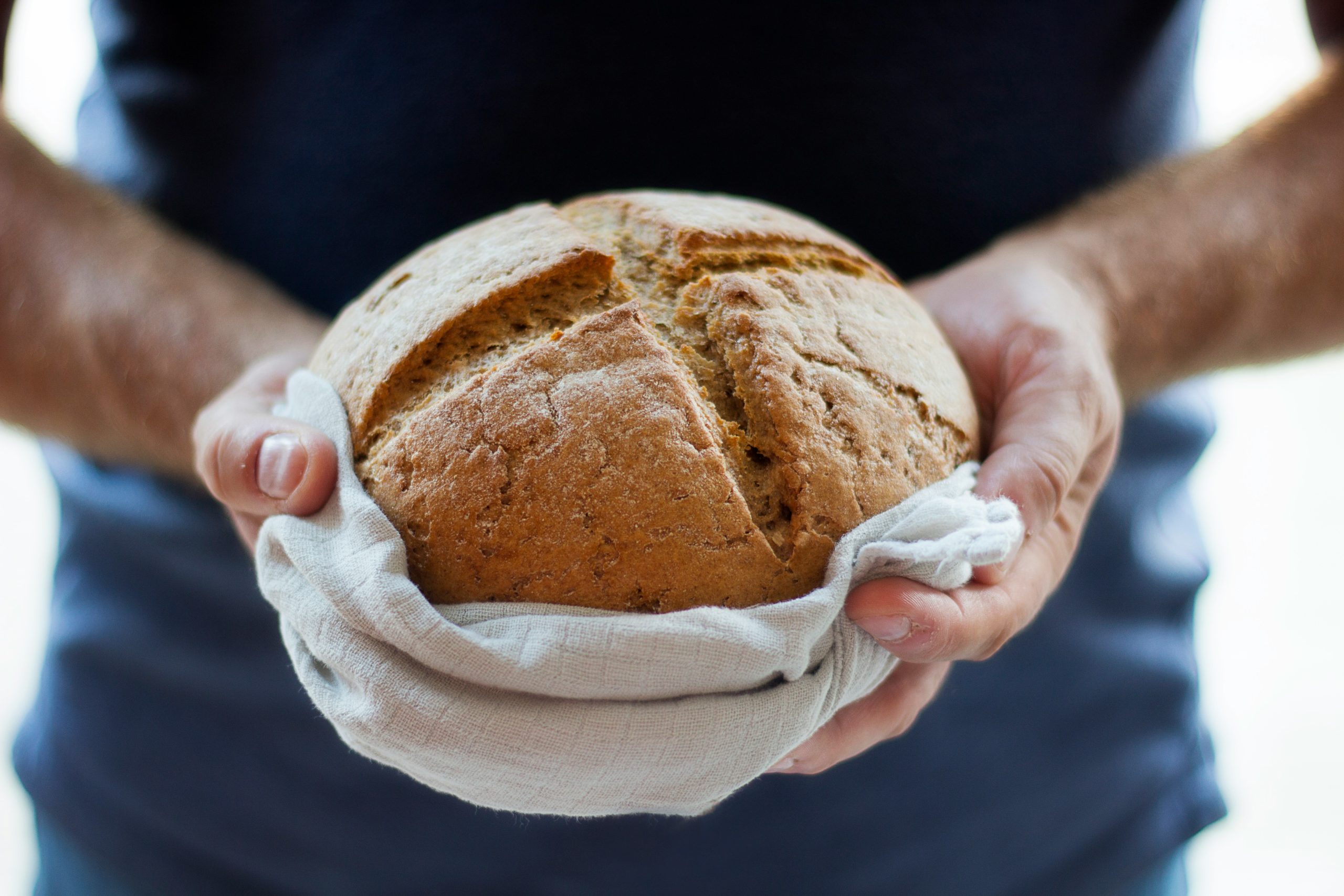
Hope in ordinary days might look like baking bread for a neighbor. It might look like walking your child to school, or praying for someone who would never ask. It might mean saying yes to friendship again, even though you’ve been hurt. It might look like planting something, or forgiving someone, or tending something that no one else will notice.
And it always means choosing presence over escape. That is the heart of Anam Cara living: to believe that God is here, already at work, already healing, already waiting for us to join in.
So let your hope be small, and let it be faithful. Let it take the shape of daily life. Trust that Christ is not waiting for you on the other side of suffering, but walking with you through it. Trust that the Kingdom is coming quietly, in the hands of those who love.
This week, pay attention to the ordinary. What small thing might hope invite you to do today? What act of beauty or kindness might become your way of saying, “I still believe”?
Because hope isn’t a place we arrive. It’s a way of being in the world. A way of staying awake. A way of loving what is, and believing that what is being healed is already holy.
Photo by Kate Remmer on Unsplash